Why Skin Tags Instantly Show Up On The Neck & Elimination
It makes certain the skin tag is totally removed with very little threat of infection, irritability, or visible scarring. Skin Tags (acrochordons) are benign skin growths that affect concerning half of all grownups. Medical professionals aren't sure just what creates them, but skin rubbing can play a role.
The clinician should also check body mass index over time, as weight gain and central weight problems are both threat elements for skin tags and metabolic derangements. Skin flexibility-- the capacity of skin to extend and return to its original form-- decreases naturally with age and exposure to elements like UV light. At Wendell Family Members Medication, our clinicians see exactly how these changes contribute to skin tag development. When skin sheds flexibility, it becomes much more vulnerable to subtle splits and micro‑stress in locations of duplicated movement or friction. Gradually, this can urge small flaps of skin to protrude and create skin tags. Minimized flexibility makes it less complicated for small areas of skin to "bunch up" and remain elevated instead of snapping back into area efficiently.
At What Point In Life Do They Normally Start Occurring?
- Hormones do influence the growth of skin tags, and this impact can come to be much more obvious as individuals age.Generally, individuals aren't effective with DIY spot elimination therapies.Still, also when the medical diagnosis removes you of danger, you might want to have the skin tag removed anyhow.Trying removal in your home can result in infection or scarring.They connect to the skin with a thin, fleshy cyndrical tube called a stalk.
As soon as removed, a skin tag generally does not expand back in the same area, yet brand-new skin tags can create in various other locations with time. It is usually advised to have actually skin tags eliminated by a dermatology specialist to avoid difficulties like infection or scarring. However, they can become aggravated or uncomfortable if they are in locations where they regularly rub versus apparel, fashion jewelry, or other skin. If a skin tag ends up being agonizing, it's a great idea to speak with a dermatology carrier for analysis and feasible elimination.

Moles
This effect is often most visible in areas where skin massages together-- such as the neck, underarms, groin, and under the breasts-- developing optimal problems for skin tags to appear. While modifications in elasticity are an all-natural part of aging, the visibility of rubbing, weight changes, and hormone changes can enhance their effect. Skin tags may additionally form simply due to friction and irritability in skin folds up. Skin tags are a typical skin condition, influencing nearly 46% of the population at some point in their lives. These tiny, benign developments are found on various parts of the body, particularly in areas where skin rubs together, such as the neck, armpits, and groin. Regardless of their regularity, many individuals may not notice them unless they become inflamed or are located in a highly visible area.
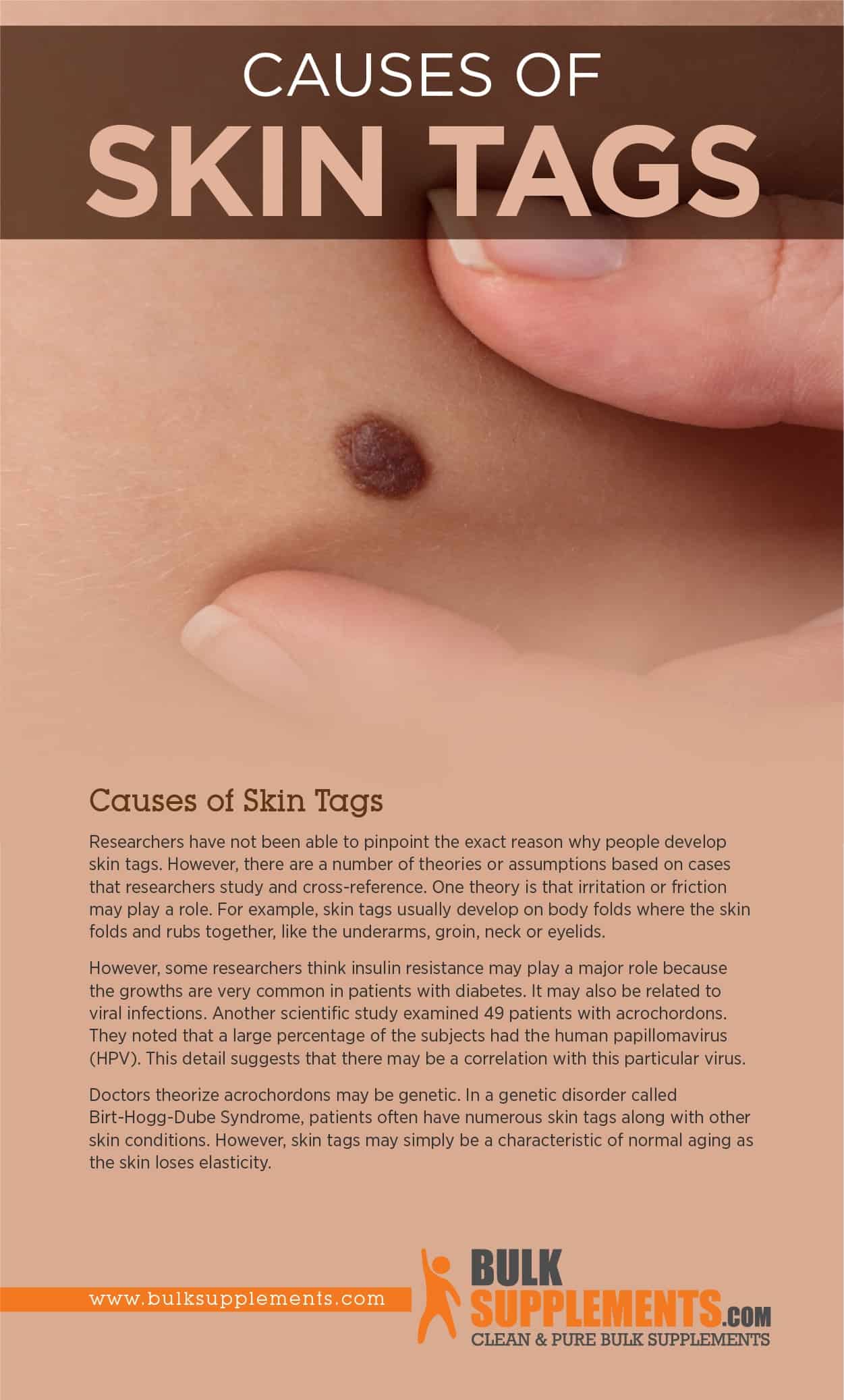
If you've discovered a little, flesh-colored or brown development on your skin, you're not alone. Actually, you might have a skin tag, one of the most common skin disease. A skin tag (officially called acrochordon) is a small flap of tissue that hangs off the skin by an attaching Pigmented Lesions stalk and is one of one of the most common skin growths. While not normally unsafe, these bumps are extremely often irritating to people. Nonetheless, if you observe adjustments in a skin tag's shade, dimension, or form, it is essential to have it reviewed by a dermatology supplier.